

Early Pregnancy as a Primary Driver of Suicide among Learners in Rural Zimbabwe
Synopsis
This chapter of the book concerned the psychosocial interplay of early pregnancies and suicidal behaviour in rural Zimbabwe as deep-rooted patriarchy and customary practices, economic insecurity and restraint, and limited mental health resources exacerbated mental strain for adolescent girls. Basically, the question suggested that in rural areas, pregnancy at an early age was a life-changing situation, and the shame associated with it, loss of education and family disapproval all contributed to the phenomenon of pregnant girls thinking about and making suicide attempts. This study was qualitative in nature and responded to a research gap; the lack of emic perspective on the specific threats to which rural pregnant learners were responding with suicidal action. The participants were purposefully selected from 3 rural districts: 15 participants were semi-structuredly interviewed and analysed using thematic analysis. Hence, ethical issues were carefully adhered to – informed consent was obtained from participants and guardian(s), confidentiality achieved through the use of pseudonyms and the secure location of the portfolios, and a clear explanation of the study purpose was provided to anyone involved. An important discovery was the intensive fear of wielding physical aggression reported by parents when the pregnancy was disclosed—the most immediate, soothing and strong trigger for suicidality. Therefore, the study suggested that community-based parent education programmes should be set up and emphasizing the importance of supporting measures that could be taken by parents in response to adolescent pregnancies, while also discouraging harmful disciplinary practices.
Keywords: early pregnancy, learners, rural Zimbabwe, suicide, violence
Downloads
Published
8 September 2026
Copyright (c) 2026 Munyaradzi Chidarikire; Eugenia Mabika, Netsai Kumpewu, Miriam Masikati, Lilian Chaminuka, Tinevimbo Shumba, Pinias Chikuvadze, Cecilia Muza, Theresia Joakim Kanyopa, Juliet Kamwendo, Alice Kuyayama, Moses Kufakunesu, Joel Marashe, Olivia Kaila, Vongai Mazivazvose, Brenda Muchopa-Chatira, Yolanda N. Tshuma, Margaret Machingambi, Shupikai Zebron, Prudence Mavhemwa, Nozihle Ncube, Abraham Maposa, Everjoy Masanjala, Mildred Kudzanai Chanhuwa, Herbert Muradzikwa, Nkululeko Sibanda, Prince Chidarikire, Patience Marashe
How to Cite
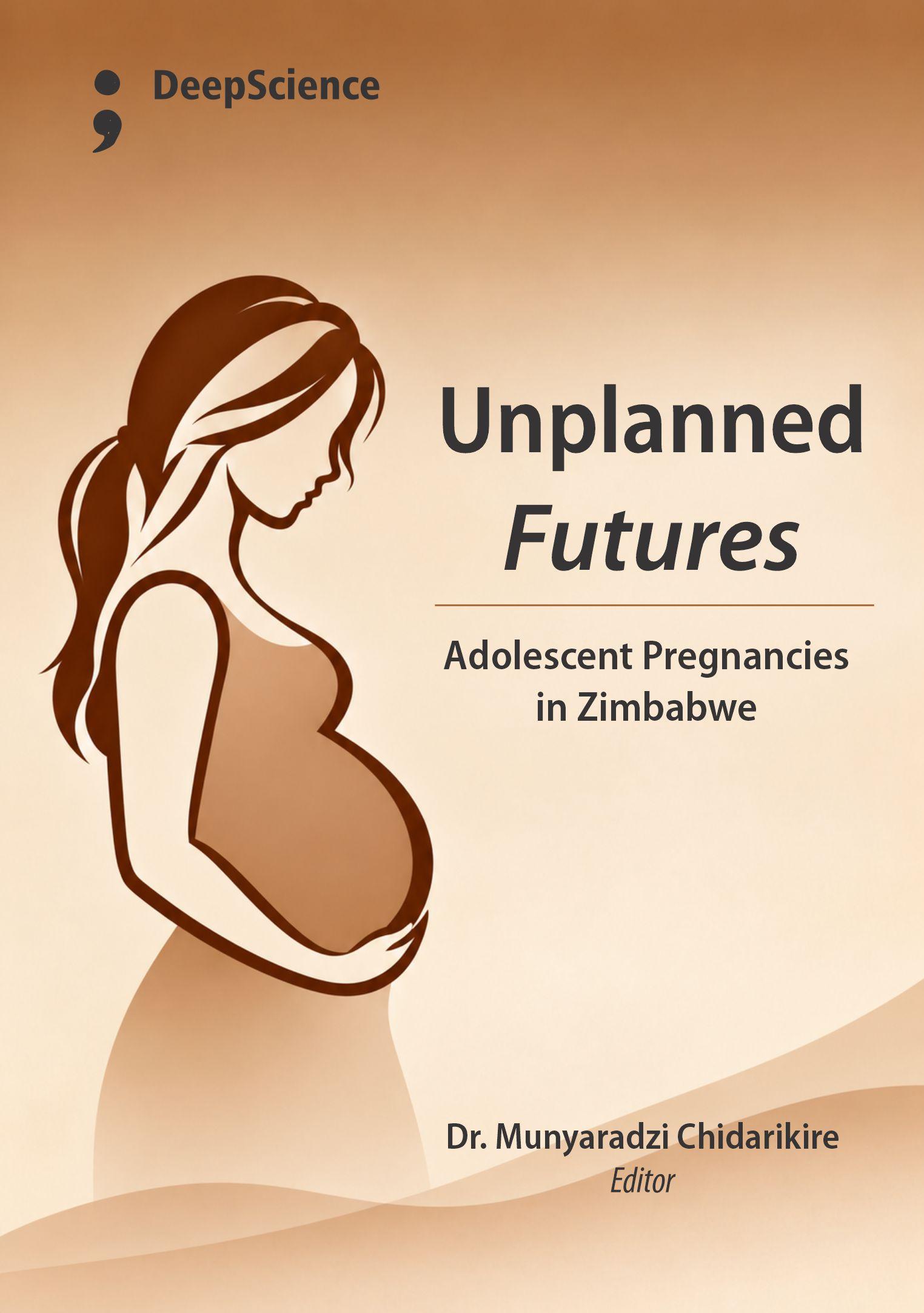
Chidarikire, M., & Ncube, N. (2026). Early Pregnancy as a Primary Driver of Suicide among Learners in Rural Zimbabwe. In M. Chidarikire (Ed.), Unplanned Futures: Adolescent Pregnancies in Zimbabwe. Deep Science Publishing. https://doi.org/10.70593/978-81-6632-030-9_3
Download Citation









 WhatsApp +91 7977171947