

Strong family support system enables pregnant female learners to overcome social isolation in Zimbabwe
Synopsis
The purpose of this qualitative study was to understand the coping mechanisms that pregnant female learners are using to overcome the feeling of isolation at the family level in Zimbabwe. The study was designed as a qualitative study with a phenomenological approach to understand the lives of the pregnant learners and their families. The study's contribution to research is its provision of information on the ways in which family support reduces social isolation for adolescent learners in pregnancy in the rural/peri-urban areas of Zimbabwe for which little qualitative data has been provided elsewhere. The respondents were purposively selected and were 15 in number considering gender, geographical location, expertise and skills. Data were generated through focus group discussions and thematically analysed. A major discovery was that pregnant learners could decrease their sense of shame, exclusion and hopelessness when HELMS (hope, Education, employment, and maternal health) is made available to them on a consistent basis by their families. The findings and recommendations from this study suggest the need for and development of family-inclusive support programmes to teach or inform parents or caregivers about supporting pregnant daughters without judgement.
Keywords: family support, pregnant learners, social isolation, Zimbabwe
Downloads
Published
8 September 2026
Copyright (c) 2026 Munyaradzi Chidarikire; Eugenia Mabika, Netsai Kumpewu, Miriam Masikati, Lilian Chaminuka, Tinevimbo Shumba, Pinias Chikuvadze, Cecilia Muza, Theresia Joakim Kanyopa, Juliet Kamwendo, Alice Kuyayama, Moses Kufakunesu, Joel Marashe, Olivia Kaila, Vongai Mazivazvose, Brenda Muchopa-Chatira, Yolanda N. Tshuma, Margaret Machingambi, Shupikai Zebron, Prudence Mavhemwa, Nozihle Ncube, Abraham Maposa, Everjoy Masanjala, Mildred Kudzanai Chanhuwa, Herbert Muradzikwa, Nkululeko Sibanda, Prince Chidarikire, Patience Marashe
How to Cite
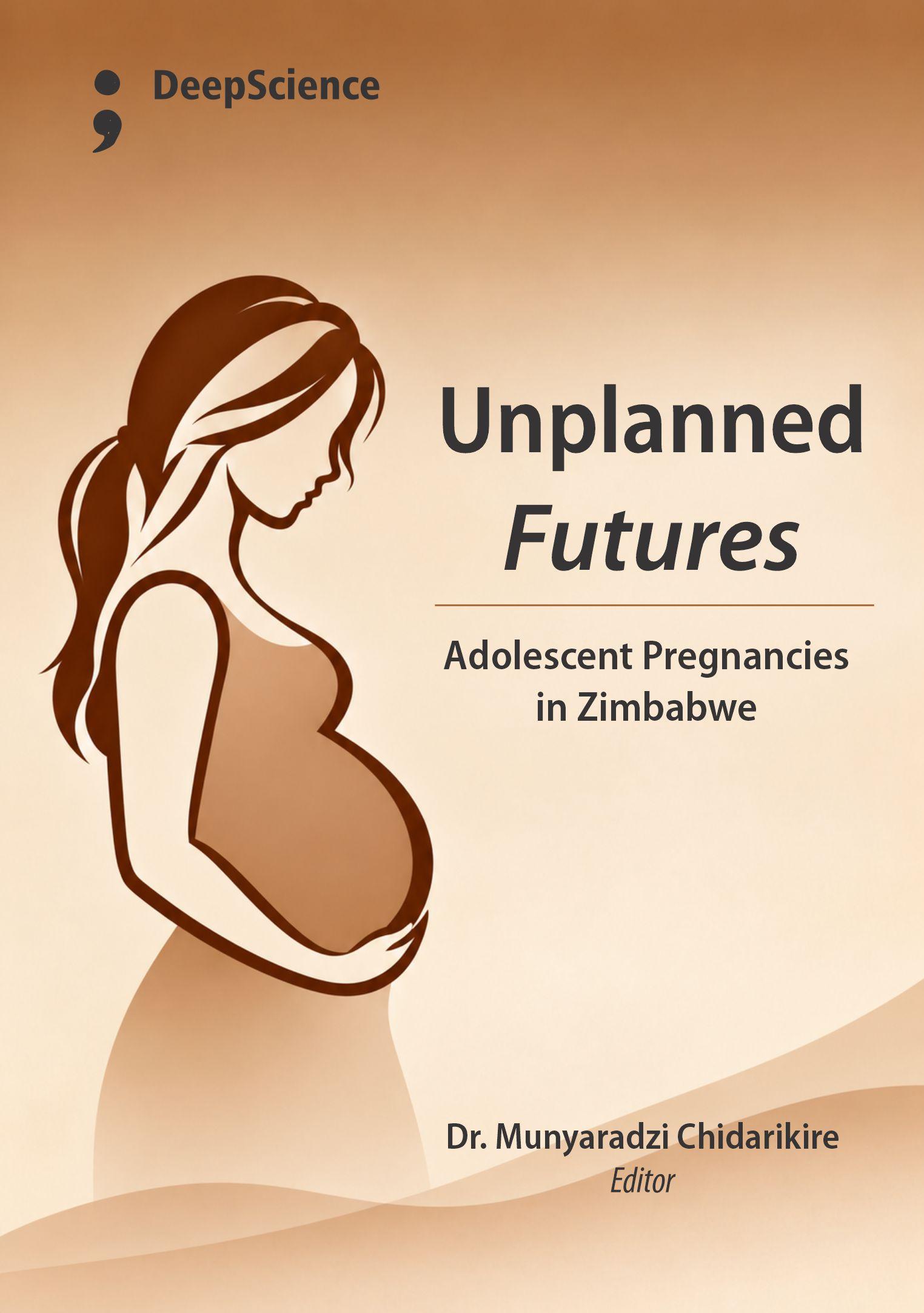
Chidarikire, M., Chidarikire, P. ., & Mazivazvose, V. (2026). Strong family support system enables pregnant female learners to overcome social isolation in Zimbabwe. In M. Chidarikire (Ed.), Unplanned Futures: Adolescent Pregnancies in Zimbabwe. Deep Science Publishing. https://doi.org/10.70593/978-81-6632-030-9_8
Download Citation









 WhatsApp +91 7977171947