

Child-Headed Families as a Vulnerability Context for Early Pregnancies among Adolescent Girls in Zimbabwe
Synopsis
In this chapter, it was reflected that the association between child headed households and adolescent girls falling pregnant was observed. The study was prompted by high prevalence of orphans, migrants, child headed households to measure the impact of child-headed households on the sexual and reproductive health of adolescents. The goal of the investment was to understand the driver of early pregnancies, namely the lack of adult supervision, vulnerability by economic measures, and lack of supporting resources. The design used was qualitative exploratory design. In 2026, in-depth interviews were conducted with 24 child-headed girls between the ages of13 and18 in Harare and Mashonaland East and Midlands as well as key informant interviews with eight social workers and community leaders. Ethical issues, such as informed consent and confidentiality, as well as voluntary participation and pseudonyms, were also respected. Thematic analysis revealed that a lack of adult guidance, financial hardship, transactional relationships, limited access to contraceptives and stigma heightened pregnancy risk. Findings will help to inform evidence of reproductive risks and vulnerabilities for adolescents living in child-headed households and insights for improving social protection, mentoring, and adolescent-friendly reproductive health services. Social welfare departments, community leaders and civil society organisations are encouraged to proactively identify and monitor the CHH, so that support and protection is provided against exploitation and abuse in a timely manner.
Key words: Child-headed families, Early pregnancy, Adolescent girls, Reproductive health, Zimbabwe.
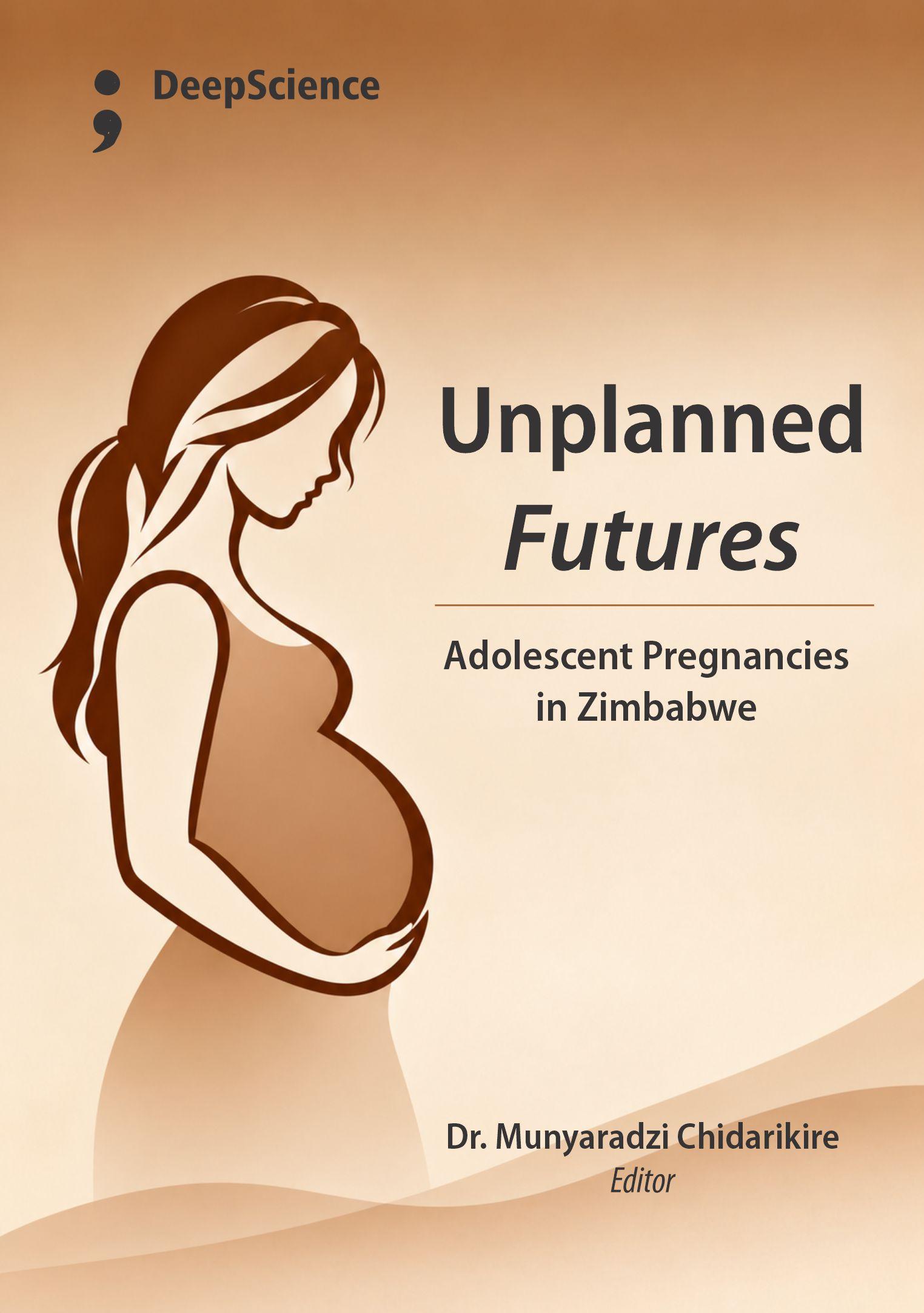
Downloads
Published
8 September 2026
Copyright (c) 2026 Munyaradzi Chidarikire; Eugenia Mabika, Netsai Kumpewu, Miriam Masikati, Lilian Chaminuka, Tinevimbo Shumba, Pinias Chikuvadze, Cecilia Muza, Theresia Joakim Kanyopa, Juliet Kamwendo, Alice Kuyayama, Moses Kufakunesu, Joel Marashe, Olivia Kaila, Vongai Mazivazvose, Brenda Muchopa-Chatira, Yolanda N. Tshuma, Margaret Machingambi, Shupikai Zebron, Prudence Mavhemwa, Nozihle Ncube, Abraham Maposa, Everjoy Masanjala, Mildred Kudzanai Chanhuwa, Herbert Muradzikwa, Nkululeko Sibanda, Prince Chidarikire, Patience Marashe
How to Cite
Chaminuka, L. (2026). Child-Headed Families as a Vulnerability Context for Early Pregnancies among Adolescent Girls in Zimbabwe. In M. Chidarikire (Ed.), Unplanned Futures: Adolescent Pregnancies in Zimbabwe. Deep Science Publishing. https://doi.org/10.70593/978-81-6632-030-9_12
Download Citation









 WhatsApp +91 7977171947